
Equine Laminitis
How Soft Ride hoof boots can help comfort laminitic and foundered horses, ponies, and minis
Definition
Laminitis results from the disruption (constant, intermittent or short-term) of blood flow to the sensitive and insensitive laminae. These laminae structures within the foot secure the coffin bone (the wedge-shaped bone within the foot) to the hoof wall. Inflammation often permanently weakens the laminae and interferes with the wall/bone bond. In severe cases, the bone and the hoof wall can separate. In these situations, the coffin bone may rotate within the foot, be displaced downward ("sink") and eventually penetrate the sole. Laminitis can affect one or all feet, but it is most often seen in the front feet concurrently.
The terms "laminitis" and "founder" are used interchangeably. However, founder usually refers to a chronic (long-term) condition associated with rotation of the coffin bone, whereas acute laminitis refers to symptoms associated with a sudden initial attack, including pain and inflammation of the laminae.
Laminitis Causes
While laminitis occurs in the hoof, it may be caused by a number of factors elsewhere in the horse, including but not limited to:
- Excessive shifting of weight to one leg due to injury to another leg, also known as support limb laminitis
- Insulin resistance and obesity, particularly in horses that are chronically overweight
- Consuming more carbohydrates than a horse’s body can process, such as when a horse gorges on lush spring grasses
Signs and Symptoms
A horse suffering from laminitis frequently stands with their front feet pushed out in front and the hind feet farther under their body than normal, trying to find a comfortable place to put their weight. (Illustrated in above picture)
If the laminitic horse is willing to walk, it walks with a short stride, trying to get each foot back on the ground as quickly as possible. A laminitic horse will stand with hind feet brought forward under its belly trying to shift most of its weight from the front feet, which are further in front of its normal stance. In sever cases where all four feet are affected, it might lie down and be very resistant to standing because of the severe pain.
Diagnosis and Treatment
If your horse displays the classic symptoms of laminitis, immediately contact your vet and put Soft Ride Boots on your horse to provide relief. If your vet confirms a laminitis diagnosis, he or she will likely prescribe a treatment regimen that includes standard laminitis icing protocol. In addition, shoeing with SoftRiders will help your horse get better breakover, providing more comfort and less strain.
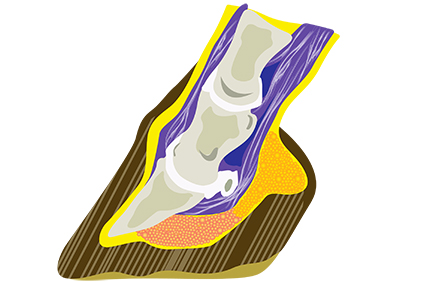
What a Healthy Horse Foot Looks Like
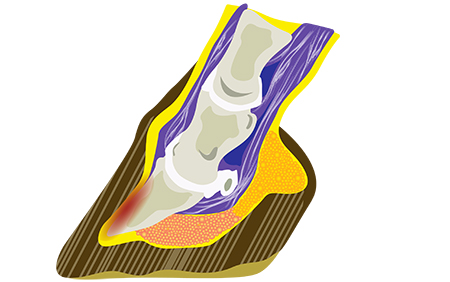
What a Laminitic (lame) Horse Foot looks like
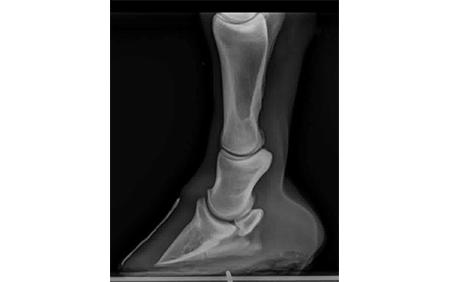
A Laminitic/Foundered Horse Foot X-Ray
Frequently Asked Questions
What is laminitis?
Laminitis is the inflammation and structural failure of the laminae—the interlocking tissues that suspend the coffin bone within the hoof capsule. When these tissues are damaged, the bond between the hoof wall and bone weakens, which can lead to rotation or sinking (founder). This process is extremely painful and can become life-threatening if not addressed promptly.
What causes laminitis?
Laminitis is often multifactorial. Common contributing factors include:
Understanding and addressing the root cause is critical for successful management.
What are the different types of laminitis?
Laminitis is generally classified into three primary categories. Each type has different triggers but results in similar structural damage within the hoof, emphasizing the importance of early identification and targeted management.
Endocrinopathic Laminitis
Most common; associated with insulin dysregulation (EMS, PPID)
- Common causes include:
- High non-structural carbohydrate (NSC) intake (lush pasture, grain overload)
- Equine Metabolic Syndrome (EMS) leading to insulin resistance
- Pituitary Pars Intermedia Dysfunction (PPID / Cushing’s disease)
- Obesity or easy-keeper body condition
- Limited exercise or sedentary lifestyle
- Seasonal pasture changes (spring and fall sugar spikes)
Sepsis-Associated Laminitis
Linked to systemic inflammation (colitis, retained placenta, etc.)
- Common causes include:
- Severe gastrointestinal disease (colitis, enteritis)
- Retained placenta following foaling
- Metritis or uterine infection
- Grain overload causing hindgut acidosis
- Septicemia or endotoxemia
- Severe infections (e.g., pneumonia, pleuritis)
Supporting Limb Laminitis
Occurs when one limb bears excessive weight due to injury in another limb
- Common causes include:
- Fractures or severe musculoskeletal injuries in the opposite limb
- Tendon or ligament injuries requiring offloading
- Post-surgical non-weight-bearing (e.g., after orthopedic surgery)
- Chronic lameness causing prolonged uneven weight distribution
- Hoof abscesses or severe foot pain in the opposite limb
How can I identify laminitis early?
At this stage, immediate veterinary consultation and supportive care, such as using Soft Ride Ice Spas for cryotherapy and using Soft Ride Boots to provide cushioning and reduce load, can help minimize progression.
What does a laminitic stance look like?
Horses with front foot laminitis often adopt a “sawhorse stance”, placing their front feet forward and shifting weight onto their hind end to relieve pressure on the toes. In hind limb cases, posture may reverse.
How is laminitis diagnosed?
- Diagnosis involves:
- Clinical examination
- Hoof tester response
- Digital pulse evaluation
- Radiographs to assess coffin bone position
Radiographs are especially important for guiding trimming, shoeing, and support strategies.
How is laminitis treated?
- Treatment requires a multi-pronged approach:
- Addressing the underlying cause (dietary, metabolic, or systemic)
- Pain management under veterinary supervision
- Cryotherapy (icing) in acute stages
- Strict dietary control
- Mechanical hoof support
Supportive tools like Soft Ride boots are commonly used to provide immediate comfort and help redistribute load during recovery.
Why is hoof support critical in treatment?
Laminitis compromises the hoof’s ability to bear weight properly. Without support, forces continue to stress the damaged laminae.
- Providing uniform, forgiving support—such as that offered by Soft Ride Boots or therapeutic shoeing solutions—helps:
- Reduce mechanical strain
- Improve comfort
- Protect internal structures from further damage
How do Soft Ride Boots help horses with laminitis?
Soft Ride Boots are designed to provide therapeutic support that aligns with key veterinary principles for managing laminitis, including reducing mechanical stress and promoting healthy hoof function.
A defining feature is their raised frog support, which encourages centered, uniform loading of the hoof. This creates a cyclical loading and unloading pattern that helps stimulate blood circulation within the hoof—mimicking how a healthy hoof naturally loads through the sole and frog during movement. Improved circulation is important for supporting tissue health and recovery in compromised laminae.
- In addition, Soft Ride Boots offer:
- Consistent cushioning and support to reduce pressure on damaged structures
- Removable specialty inserts to adjust support as the horse’s condition changes
- Stability and comfort for both standing and limited movement
How is icing used to treat laminitis?
Cryotherapy (icing) is a critical component in the early management of laminitis because it helps reduce inflammation, slows metabolic damage, and protects the laminae. The Soft Ride Ice Spa is specifically designed to deliver consistent, full immersion cooling in a practical and effective way
How does the SoftRider shoe’s design help laminitic horses?
The SoftRider therapeutic shoe is specifically engineered to provide an appropriate breakover and redistribute load away from the damaged laminae. Both elements are critical components of laminitis management.
Unlike a standard horseshoe which typically places more load along the hoof wall and requires the horse to overcome greater leverage at the toe during breakover, the SoftRider shoe is designed to encourage center loading of the hoof. This shifts weight toward the sole of the foot, helping to reduce stress on the compromised laminae at the toe.
Additionally, the SoftRider shoe incorporates an enhanced, rockered breakover, allowing the foot to leave the ground with less resistance. Compared to traditional flat shoes, this design reduces mechanical strain of the DDFT and lower leg softtissues during movement which reduces leverage strain on the hoof.
What role does nutrition play in laminitis management?
Your veterinarian will likely suggest a modified diet plan for your laminitic horse. Nutrition is central, particularly in metabolic cases.
- Suggestions may include:
- Feed low sugar/starch forage
- Avoid grain and lush pasture
- Balance minerals appropriately
The ECIR protocol emphasizes strict dietary control as a cornerstone of recovery and prevention.
Can horses recover from laminitis?
Yes—many horses can recover and live comfortable, useful lives.
- Success depends on:
- Early intervention
- Consistent management
- Ongoing hoof support and care
How long does laminitis recovery take?
Recovery can range from weeks to many months depending on severity. Hoof growth alone takes 8–12 months, and ongoing support—often including boots or therapeutic shoeing—is typically required throughout.
Should a laminitic horse be stalled or allowed to move?
In acute stages, controlled confinement on soft, supportive footing is recommended. Excess movement can worsen damage, but complete immobility without support can also be problematic. Soft Ride Boots can help provide comfort during necessary limited movement.
What footing is best for laminitic horses?
Deep, supportive, and forgiving footing (such as sand or deeply bedded stalls) helps reduce concussion and evenly distribute weight. Combining proper footing with supportive Soft Ride Boots or SoftRider shoes enhances comfort and protection.
How often should hoof care be performed on a laminitic horse?
Frequent, careful trimming, often every 2–6 weeks, is essential to maintain proper alignment and breakover. Radiographs should guide trimming decisions whenever possible. Consult with your farrier about specific trimming treatment for your individual horse.
What is the most important takeaway for horse owners?
Laminitis is a medical emergency. Immediate action including veterinary care, dietary restriction, and supportive measures like Soft Ride Boots and cryotherapy, and appropriate trimming can dramatically impact outcomes
How Practitioners Worldwide Rely on Soft Ride:
Practitioners and professionals around the world recommend and rely on Soft Ride’s Equine Comfort Boots and Ice Spa to keep hooves healthy and to help horses recover from workouts and injury or illness.
Soft Ride’s horse hoof boots offer protection while stabling on hard surfaces or trailering to events, and are a smart choice to provide protective comfort when used as part of the everyday routine with your horse. They’re also used to soothe and comfort horses that are suffering from common hoof issues such as laminitis or navicular disease.
The Soft Ride Ice Spa is an easy, convenient way to provide your horse with a soothing ice bath. Practitioners and professionals alike regularly use an ice bath to help horses recover after a workout or competition, and they rely on the Ice Spa when following icing protocols to treat hoof health issues such as laminitis. The Ice Spa is also used without ice to treat abscesses and other conditions that call for soaking the feet and hooves in warm water.
Dr. James Belknap -The Ohio State University
"It is the only effective therapy for laminitis."
- Dr. James BelknapDr. Joe Stricklin
How to use the Ice Spa Prolong (Pro) with Dr. Joe Stricklin. Highlights the ease of use, the new zipper-less design, and the new retention collar design that makes it even easier to use. He also highlights the channelled orthotic design which allows for better cooling of the hoof, and that it's used it for foundered and hoof abscesses.
- Dr. Joe StricklinBobby Boyd
"...Within four or five days, she became as good as she had been in five years with SoftRiders."
- Bobby BoydCaptain Robichaux, Executive Director of TUMPOT says: “This is the only boot I have ever found that helped a foundered horse. My farrier has never seen a case of road founder grow out and actually have a healthy hoof. This thing is a miracle!! We went from a horse that could not even walk to one that’s running in the pasture when he wears his boots!”
Owner Liz Showalter says: “My 24 year-old Arabian, Saf Kim Dandy, has Cushings. Laminitis created a problem in his right front club foot. There were times in the last two years when he could barely walk. Until we discovered your Soft Ride Equine Comfort Boots, Dandy was headed for a tragic ending. These boots have given him a second chance at life.”
Ariana and Caruso says: “Two years ago, I lost my jumper of 16 years to complications of laminitis, and this summer, I am facing another bout of it with my thoroughbred hunter. My vet insisted that I purchase Soft Ride boots and after a little hemming and hawing about purchasing yet another set of boots, I agreed. These boots were the last-ditch effort to comfort my horse as pain meds were not really helping. I can say that they are AMAZING!!!!”
Ruth McKinney from Mariposa, CA says: “It’s been 39 days since I’ve seen her walk around and not look as if she were in pain!! I’ve cried an ocean of tears for my beloved horse. Tonight, I cried tears of joy. For the first time, she looked comfortable. Thank you for your product. It’s a miracle.”
Yaffa Chudnow says: “...your boots are largely responsible for my horse not only being alive but enjoying her life today. I had made the heart-wrenching decision to let Bella go in the fall of 2008 before the rainy weather set in, when Carrie, the farm manager, heard about your boots and suggested we try them as a last-ditch effort. To say these boots are a miracle is not an exaggeration. Your boots have given my horse 2-plus years of quality life that she would not otherwise have had.”
Our customer, Mea Bitting, says: “Just wanted you to know that I LOVE those boots! They are absolutely wonderful and have made a huge difference in Rusty. Once he realized he could do anything he wanted without his feet hurting, it opened up a whole new world for him. At this point he is back to normal. An absolutely terrific product and I am telling everyone about them.”
Give Relief & Comfort to your horse with Soft Ride
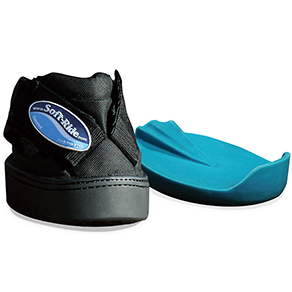
Comfort Boots with Gels Inserts
The original & patented "boot for horses." Designed originally to keep horses comfortable in the stall and on the road, equine practitioners quickly realized our boot & gel orthotic provide comfort to injured horses and protection to a healthy hoof.
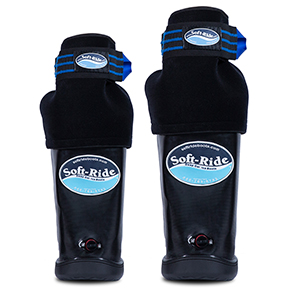
Ice Spa Boots
Digital Hypothermia & cryogenic therapy (icing/cold therapy) is quickly becoming the de-facto standard for laminitis treatment. Combine with our Soft Ride Comfort Boots & Gel Inserts in between icings, and as a preventative measure, to offer both an intensive therapeutic & comfort-based solution